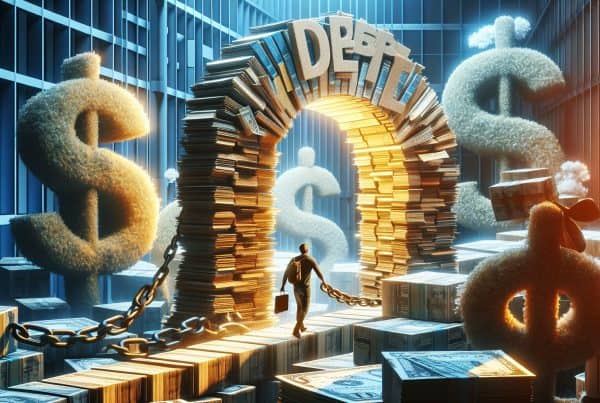

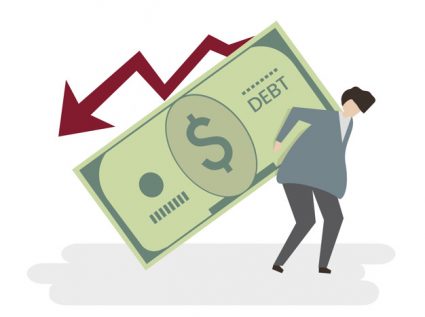
Illustration of a man in debt
Understanding the Risks Associated with Credit Card Debt
Credit card debt is a prevalent issue that causes significant stress for individuals across the UK. The financial challenges that arise from unmanageable credit card debt can lead to a downward spiral, making it crucial to stay vigilant about your monthly payments. Failing to do so can escalate your debt situation quickly, making it increasingly difficult to regain control. However, exploring options like a debt consolidation loan for credit card debt can offer a viable solution. The various risks associated with credit card debt include:
How Excessive Credit Card Debt Harms Your Credit Score
Carrying excessive credit card debt can severely damage your credit score, which plays a vital role in your overall financial health. Your credit utilization ratio, defined as the amount of debt on your credit cards compared to your available credit, accounts for 30% of your credit score. A high credit utilization ratio indicates to lenders that you may be overextended, increasing the likelihood of a negative impact on your credit score. If your credit score falls too low, you may struggle to qualify for new credit card loans, limiting your financial options when you need them most.
Why Credit Card Debt Leaves You Vulnerable to Unexpected Costs
Life can be unpredictable, making it essential to have a robust savings plan in place to shield yourself from unforeseen expenses. Whether it’s a sudden car breakdown or an unexpected home repair, having cash reserves can provide peace of mind during financial emergencies. Experts recommend having between six to twelve months’ worth of living expenses saved, but excessive credit card debt can severely limit your ability to build this safety net. Without adequate savings, you may find yourself relying on credit cards to cover unexpected costs, perpetuating a cycle of debt that can be hard to escape.
The Burden of High Interest Rates on Credit Card Debt
One of the most daunting aspects of credit card debt is the exorbitant interest rates that accompany it. Many credit card providers charge interest rates exceeding 20%, which can quickly compound if monthly payments are not managed effectively. A common pitfall for credit card users is only making the minimum monthly payments, which can trap individuals in a cycle of debt that feels nearly impossible to break. This approach often leads to increased balances over time, creating a significant financial burden that can take years to resolve.
If you are a homeowner looking for solutions to manage your credit card debt, our knowledgeable team at Debt Consolidation Loans is here to assist you. We can provide insights into how debt consolidation loans can help you regain control over your finances.
If you are both a homeowner and a business owner, reach out to our experts at Debt Consolidation Loans today to learn more about the advantages of a debt consolidation loan tailored for your needs.
If you believe a Debt Consolidation Loan might be the right choice for you, don’t hesitate to contact us or call 0333 577 5626 to simplify your financial situation with a single monthly payment.
Explore Related Articles That Can Help You Manage Your Debt
 Best Bank for Debt Consolidation Loans: Top Banks to Consider
Best Bank for Debt Consolidation Loans: Top Banks to Consider
 Flexible Repayment Ideas for Gig Workers: Tailored UK Plans
Flexible Repayment Ideas for Gig Workers: Tailored UK Plans
 Debt Consolidation Loans Vs Line of Credit: Key Differences
Debt Consolidation Loans Vs Line of Credit: Key Differences
 Challenges of Debt Consolidation With Bad Credit: A Guide
Challenges of Debt Consolidation With Bad Credit: A Guide
 Signposting Lenders to Your New Budget: Essential Guidance